Choosing the Right Desert ATV Ride in Dubai
Picking an ATV for the Dubai desert is less about chasing the biggest engine and more about matching the ride to the person, the terrain and the purpose of the outing. The desert can feel open and simple from a distance, but sand changes by the hour. Soft dunes, firm tracks, heat, glare and long stretches between shaded areas all shape what makes a sensible choice.
The right decision comes from working through a few practical steps in order. Each one narrows the options and helps avoid a ride that looks exciting on paper but feels awkward, tiring or unsuitable once the terrain changes under the tyres.
Start with the rider, not the machine
Begin by being honest about who will ride. Age, height, weight, riding experience and confidence all matter. A quad bike needs the rider to shift body weight, steer with the handlebars and react quickly when the front wheels climb a slope or drop into softer sand. Someone new to ATVs may feel more comfortable on a smaller, lighter machine with predictable power. A rider with years of trail experience may want more control and stronger acceleration, but even then, power is only useful when it can be managed cleanly.
Watch for mismatches at this stage. If the rider has to stretch to reach the controls, cannot place both feet firmly when stopped, or feels tense at low speed, the machine is not a good fit. Comfort is not a luxury in the desert. A poor riding position makes steering slower and increases fatigue, especially in warm conditions.
Group outings need the same care. A mixed group should not be planned around the most aggressive rider. The pace should suit the least confident person, with enough space and clear signals so nobody feels rushed. When comparing options, a name such as ATV Dubai Desert can be useful as a reference point, but the final choice should still come down to fit, safety and the stated rules of the ride.
Decide what kind of terrain the ride will cover
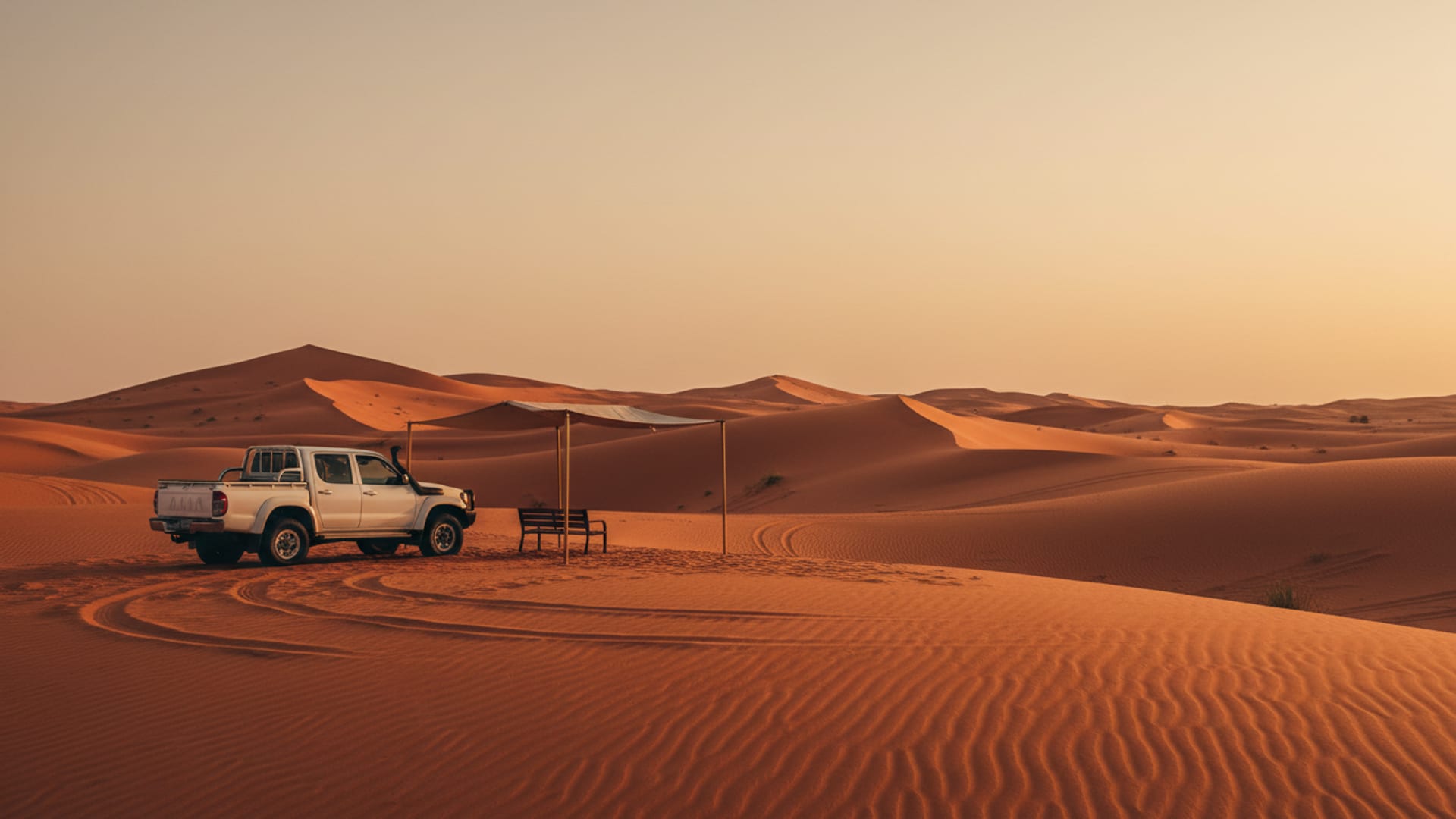
Next, think about the ground. Desert riding is not one single surface. Some areas have packed tracks that feel stable and forgiving. Others have soft sand, side slopes, ridges and pockets where a machine can bog down if speed drops at the wrong moment. The terrain you expect to encounter should guide the type of ATV and the way the route is planned.
For gentle routes on firmer ground, a moderate machine is often easier to control and less tiring. It gives the rider room to learn how the bike reacts without sudden surges of power. For open dunes, torque, cooling and a steady throttle response become more important. A bike that pulls smoothly can keep momentum without feeling harsh. A bike with abrupt power delivery may be difficult on climbs or when crossing soft patches.
Watch out for hype around top speed. Fast machines can be fun in the right hands, yet speed reduces reaction time and raises the cost of a mistake. Sand also makes distance deceptive. What looks like a short run can take longer when the route includes soft climbs or frequent turns. Plan around control and range rather than a single impressive figure.
Check the safety setup before anything else
Once the broad type of ride makes sense, look closely at safety. A properly fitting helmet is the starting point. It should sit level, feel snug without pressure points and stay in place when the head moves. Eye protection matters too, because dust and glare can affect vision. Gloves improve grip and reduce vibration, while long sleeves and sturdy trousers help protect skin from sun and brush.
Protective clothing should suit the heat without leaving too much skin exposed. Lightweight, breathable layers are usually more practical than heavy gear that becomes uncomfortable after a short ride. Closed footwear with a firm sole is important, since feet need to stay secure and be able to brace when the ATV stops or turns.
Ask how safety is handled before committing. Clear briefings, defined routes, hand signals and a way to stop the group are all useful signs of a well-run outing. If any answer is vague, treat that as a reason to slow down and ask more questions. A ride in open terrain depends on shared understanding, not just individual skill.
Some riders also look for a name they recognise while researching options. For example, someone comparing a few desert providers might note atvdubaidesert.com among the names available, then judge the choice by the details that affect the day: suitability, instructions, route and safety expectations.
Match engine size and features to ability
Engine size is where many people make a simple choice go wrong. Bigger is not automatically better. A smaller engine can be easier to manage for a beginner, particularly when the rider is still learning how to balance throttle, steering and body position. More experienced riders may prefer extra power for dunes, but they still need a machine that feels balanced and responsive.
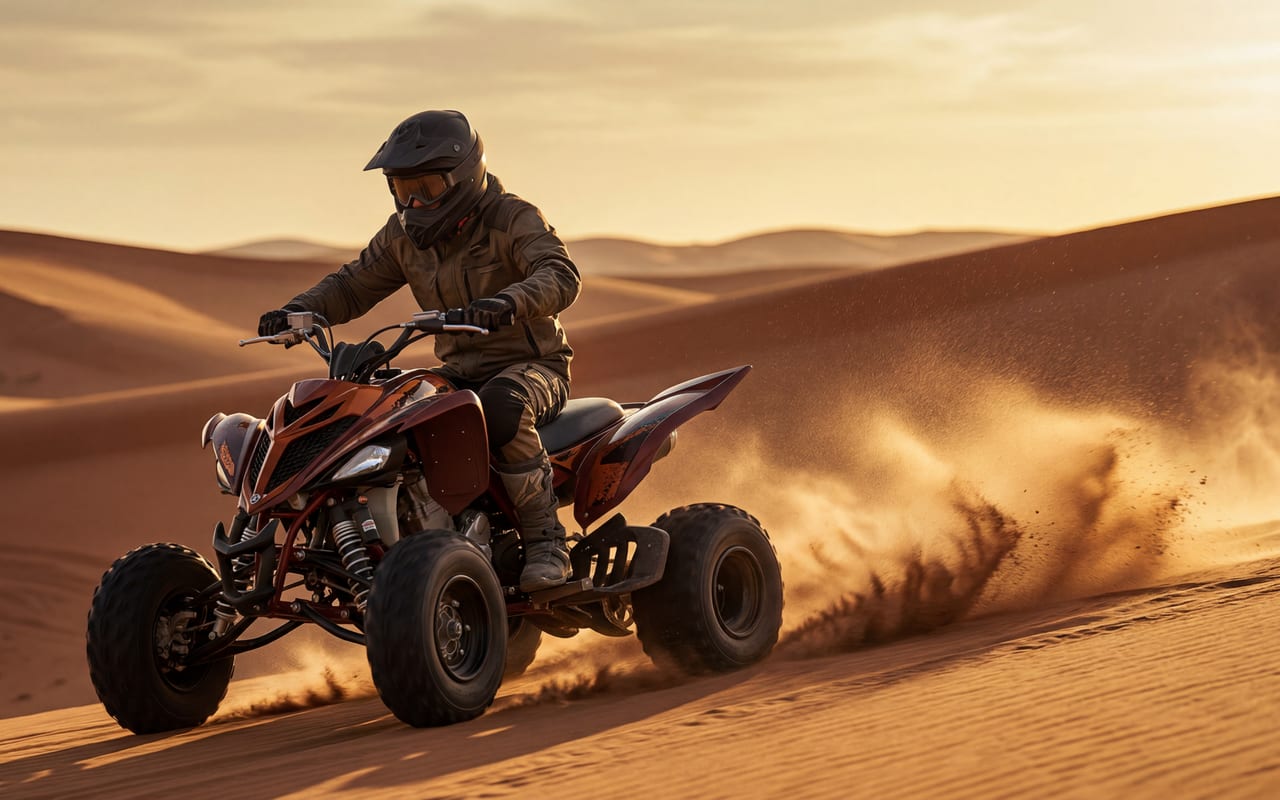
Automatic transmission tends to be simpler for newcomers because it removes one task from the rider. That can make the first desert ride calmer and more focused. More experienced riders may like manual control, yet it adds workload when the terrain changes often. Consider whether the rider can handle that workload without losing attention to the route ahead.
Pay attention to braking, suspension and seating as well. Brakes should feel steady, not grabby or vague. Suspension should absorb small bumps without making the bike feel loose. The seat should allow the rider to move slightly when climbing or descending, rather than trapping them in one position. These details matter more than a glossy appearance.
If the choice is between two similar machines, pick the one that feels controllable at walking pace and steady under gentle acceleration. Desert riding rewards smooth inputs. A machine that is calm at low speed often becomes more confidence building than one that only feels lively on open ground.
Ask the right questions before booking
Before making a commitment, gather the facts that shape the ride. Keep the questions direct and practical. The answers should help you judge whether the outing suits the rider and the route, rather than simply sounding appealing.
- What experience level is required for the chosen route, and are quieter areas available for beginners?
- What safety gear is required, and what should riders bring themselves?
- How are routes marked, and how does the group handle stops, turns and emergencies?
- Are there restrictions on age, height, weight or riding alone?
- What happens if the rider finds the terrain too difficult after the ride begins?
Listen for clear, specific answers. A good choice does not rely on assumptions. If the ride depends on the rider keeping up with others, or if the route is described only in broad terms, ask for more detail. It is better to narrow the plan early than to sort out problems in the heat, far from the starting point.
When comparing providers, keep names in perspective. ATV Dubai Desert is one reference point among several, and the decision should rest on the practical fit rather than the label alone. The same applies to any website, including atvdubaidesert.com. A name can help organise research, but the useful part is the information gathered and the judgement applied to it.
Check the ride on the day
The final step happens just before the ride begins. Conditions can change, so repeat a few basic checks even if everything was arranged earlier. Confirm the route, the pace and the stopping points. Make sure every rider understands the signals used for slowing, stopping and calling for help. Agree on what happens if someone wants to turn back.
Look at the machine in a calm, unhurried way. Check that the rider can reach the controls, sit comfortably and see clearly. Confirm the helmet fits and stays in place. Make sure loose clothing, bags or straps cannot catch in the controls. If something feels wrong, say so before moving off. It is far easier to change a small detail at the start than during a ride.
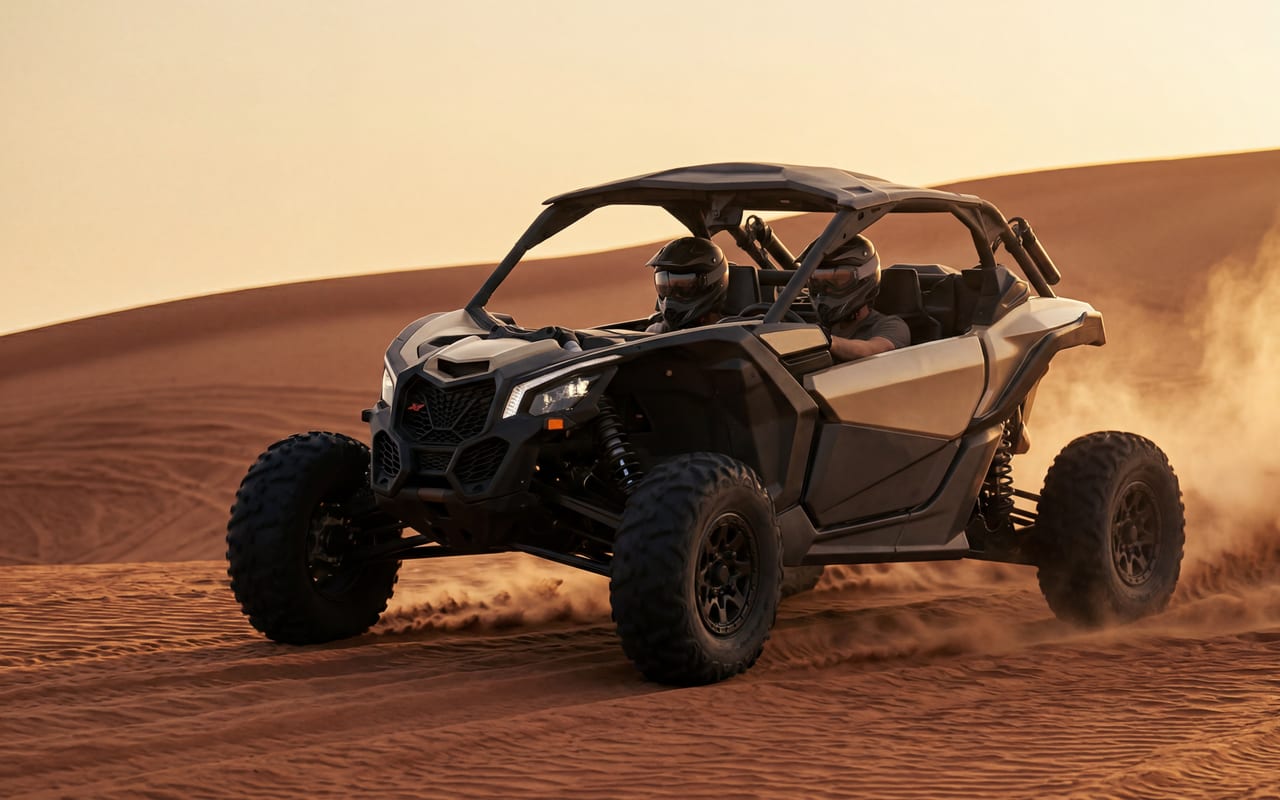
Heat and visibility deserve attention as well. Carry water, use sun protection and take regular breaks when needed. Glare can hide dips and ridges, so slow down when the light makes the ground hard to read. Dust can reduce visibility behind other riders, which is another reason to keep sensible spacing.
A final walk around the area helps put the choice in context. Notice where the soft sand begins, where the route opens up and where it narrows. If the terrain looks more demanding than expected, adjust the plan. Choosing the right ATV is not a one-time decision made at a desk. It is a sequence of sound judgements, from the first question about the rider to the last check before the engine starts.
A sensible choice leaves room for enjoyment. The rider should feel alert, comfortable and able to respond to the desert rather than overwhelmed by the machine. When the bike, route, pace and safety plan work together, the ride feels smoother and more rewarding, even if it is modest compared with the fastest option on offer.